
Move-out cleaning: what a landlord actually looks for
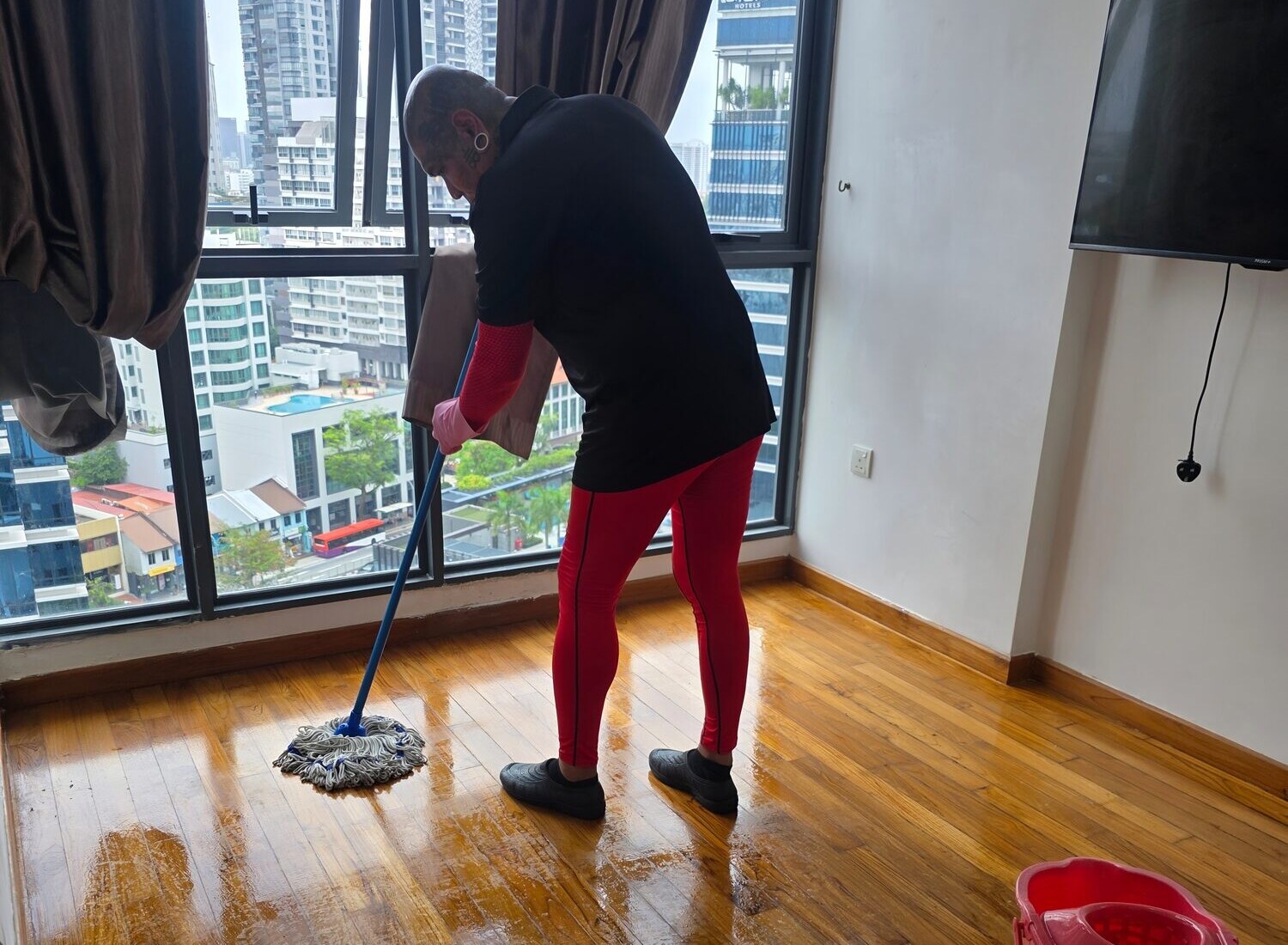
Tenants clean the visible flat. Inspections check the unseen one. That gap is where most of the friction at handback comes from, and it is entirely avoidable.
The list, roughly in inspection order
- Oven, hob and extractor. Checked individually, and the extractor filter is checked more often than tenants expect.
- Inside the fridge, and behind it.
- Inside every cabinet and drawer, including the ones you never used.
- Air-conditioning filters. Pulled out and looked at as a matter of routine.
- Bathroom grout, silicone and the shower screen. Limescale and mould read as neglect faster than anything else in the unit.
- The washing machine drawer and door seal.
- Window and sliding door tracks.
- Behind the toilet, under the sink, and the pipe collars.
- Balcony, service yard and the aircon ledge.
- Walls behind furniture, which have not been seen for two years by anybody.
Smell is checked first and mentioned last
Whoever walks in forms a judgement in the first few seconds, from the air, and then goes looking for reasons. Airing the unit and dealing with drains, the fridge and the washing machine seal beforehand changes the whole tone of the inspection.
Nobody writes “it smelled” on a report. They write six other things they would not have looked for otherwise.
Cleaning and damage are different arguments
Marks, chips, holes and wear are a separate conversation from cleanliness, and mixing them up weakens your position on both. Clean thoroughly, photograph everything in daylight on the day you hand back, and raise damage separately.
We are not able to advise you on deposits, tenancy terms or what can fairly be deducted. That is not our trade. Take it from somebody qualified and use the photographs.
Empty first, then clean
A unit cleaned while half furnished gets cleaned twice, because every item above is either behind or inside something. Book the clean for after the van, not before it.
If the unit has been empty a while
Standing water in traps, a fridge left switched off with the door shut, and a washing machine that has not run all produce odours that are not a cleaning failure but will be read as one. All are easy to deal with if somebody knows to look.
The service is general and deep cleaning, and there is more on what a deep clean covers in what a deep clean covers that a weekly clean does not.
Book it for the right day
The unit has to be completely empty, and that includes the store room, the balcony, the top of the wardrobes and whatever is behind the washing machine.
Handover is usually the day after, which sounds efficient and leaves no room for anything found during the clean. A single day between the clean and the handback gives you a chance to deal with whatever turns up, and it is the cheapest insurance in the whole process.
Agree what is being checked
If there is an inventory or a check-in report from when you moved in, read it before you book anything. It tells you the standard you are being measured against, which is frequently not the standard people assume.
It also tells you what was already marked or worn at the start, and that is the list you will want in front of you if anything is raised at the end.
We clean to the state the unit can reach. We are not able to advise you on your tenancy, your deposit or what may fairly be deducted, and anybody in this trade who offers an opinion on that is guessing on your behalf.
The landlord’s side of the same handover is in cleaning a unit between tenants.