What to check before you move into a renovated home
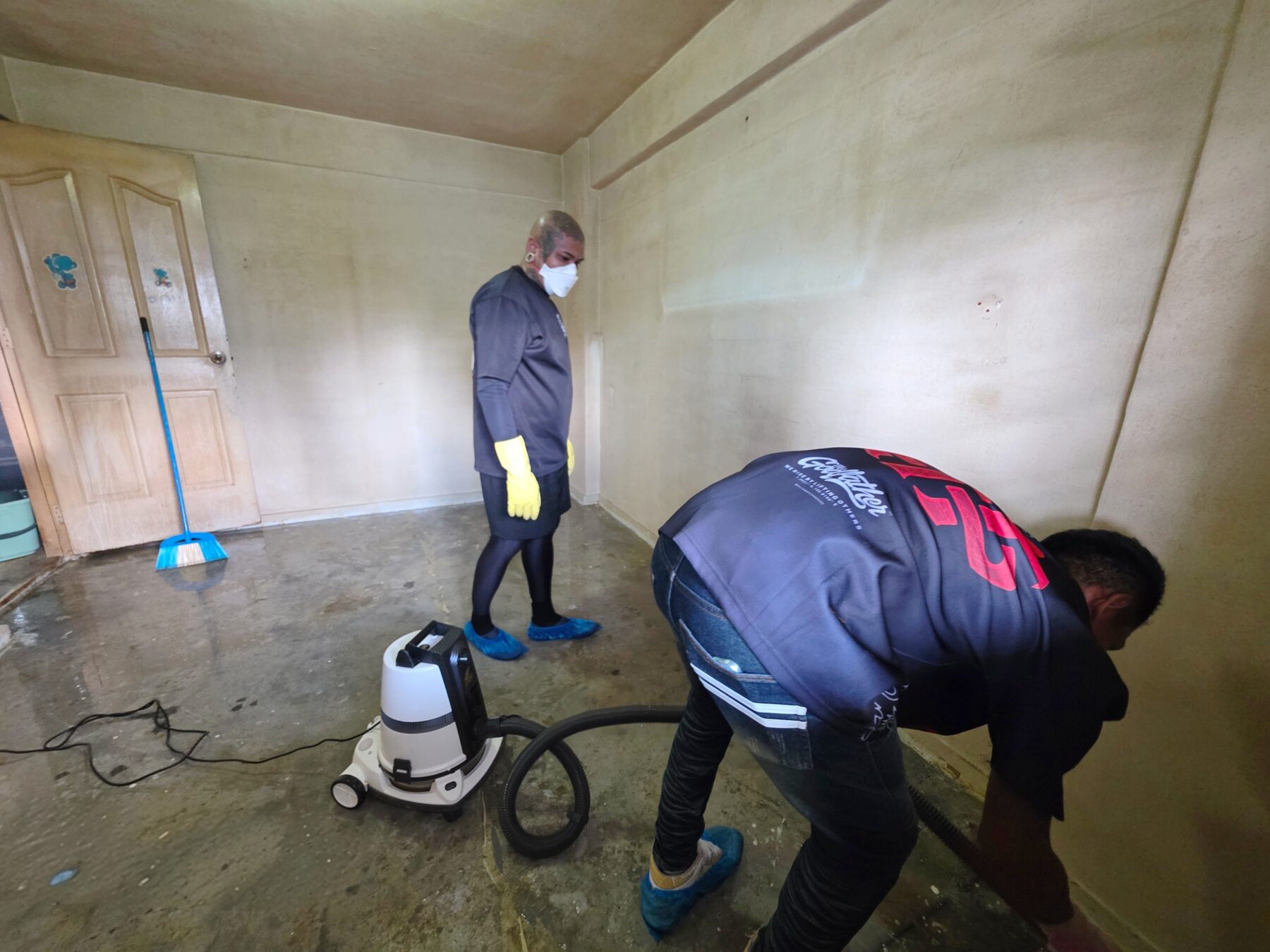
Once the furniture is in, half of this list becomes difficult and some of it becomes impossible. It is worth an hour before the van arrives.
Go top down, and take a torch
Renovation residue lives above eye level and inside things. A phone torch held at a low angle across a surface shows fine dust that overhead lighting completely hides.
The list
- Above eye level. Door frames, wardrobe tops, curtain rails, the top edge of every skirting run.
- Inside every cupboard and drawer. Open all of them, including the ones that were never used.
- Air-conditioning. Filters and housings. If the units have run at all since the work, they have been circulating it.
- Window and sliding door tracks. These pack solid and then stop the doors running properly.
- Grout lines and silicone. Check for cement haze, and check that silicone is fully cured and clean rather than smeared.
- Glass and mirrors. At an angle, in daylight, for paint flecks and cement haze.
- Behind and under the sink and toilet, and the pipe collars, which are the classic missed spots.
- Balcony, service yard and the back of the aircon ledge, where debris gets staged and forgotten.
- Drains and floor traps, which collect grout slurry and then smell later.
- Light fittings and fan blades, which redistribute everything the moment you switch them on.
Marks worth pointing out now
Cement haze on tile, paint flecks on glass and hardware, grout residue in corners and adhesive on skirting are all normal at this stage and all easier to resolve before a room is full. Photograph anything you want the contractor to come back for.
The best time to raise a mark is while the unit is still empty and the trades are still nearby. A week later it is your problem.
Do not dry sweep any of it
A broom puts fine dust straight back in the air and it lands again over hours. That is the loop that makes people think a renovated flat can never be got clean.
If it is a new flat rather than a renovation
Same list, with more attention to cabinet interiors and tracks, since the unit has been sitting through building works rather than a fit-out. There is more in cleaning a new flat before you move in.
If you would rather hand it over, that is post-renovation cleaning, and there is more on the dust itself in why renovation dust keeps coming back.
Run the water and the drains
Easy to forget in an empty unit and it saves a genuinely unpleasant discovery later.
Run every tap, flush every toilet, and pour water into every floor trap including the ones in the service yard and the bathroom you are not going to use. Traps dry out while a unit is empty and a dry trap is an open drain, which is the source of a great many smells later blamed on the plumbing.
Grout slurry and tile dust also end up in traps during a renovation, so they are worth checking rather than assuming.
Check the things that only fail once you live there
- Every door and window, opened and closed fully, including the ones behind where furniture will go.
- Every socket and switch, which is a five-minute job in an empty flat and awkward in a full one.
- Drawer and cabinet runners, opened all the way out.
- The service yard and aircon ledge, where debris is staged and forgotten.
Photograph anything you want raised while the trades are still nearby. Marks and residue are covered in cement, grout and paint marks.